



How To Become A Fitness Equipment Distributor?
Breaking into fitness equipment distribution isn't complicated, but it's unforgiving if you skip the steps. Here are the questions new fitness equipment distributors ask most, answered straight.
What does a fitness equipment distributor actually do?
You sit between the fitness equipment manufacturer and the buyer — commercial gyms, hotels, schools, personal training studios, even home users with budget. Your job is sourcing, logistics, installation support, and after-sales service. Margins come from volume and repeat business. It is absolutely not one-off sales.
Most beginners start as the regional fitness equipment distributors for a manufacturer's line, then expand. Picking a supplier with range matters — one that covers selectorized, plate-loaded, and multi-station gear lets you quote an entire gym without juggling five vendors.
What product range should be carried first?
Start with the fitness machines every gym needs, then differentiate. A solid base:
- Selectorized strength — like the T8-004 Seated Row(1460×895×1630 mm, 100 kg weight stack, works delts, biceps, and pec).
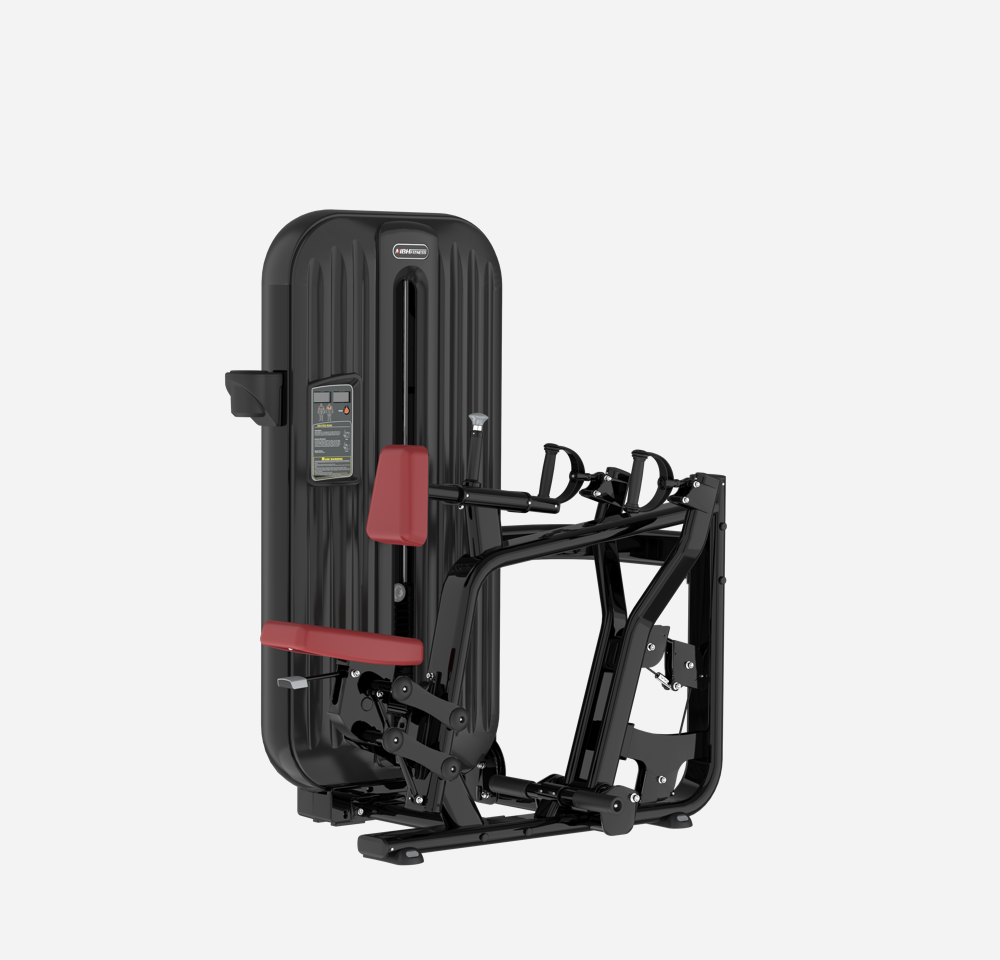 T8-004 Seated Row
 - Lower body — the T8-016A Horizontal Leg Extensionhits the rectus femoris and vastus muscles with an 80 kg stack.
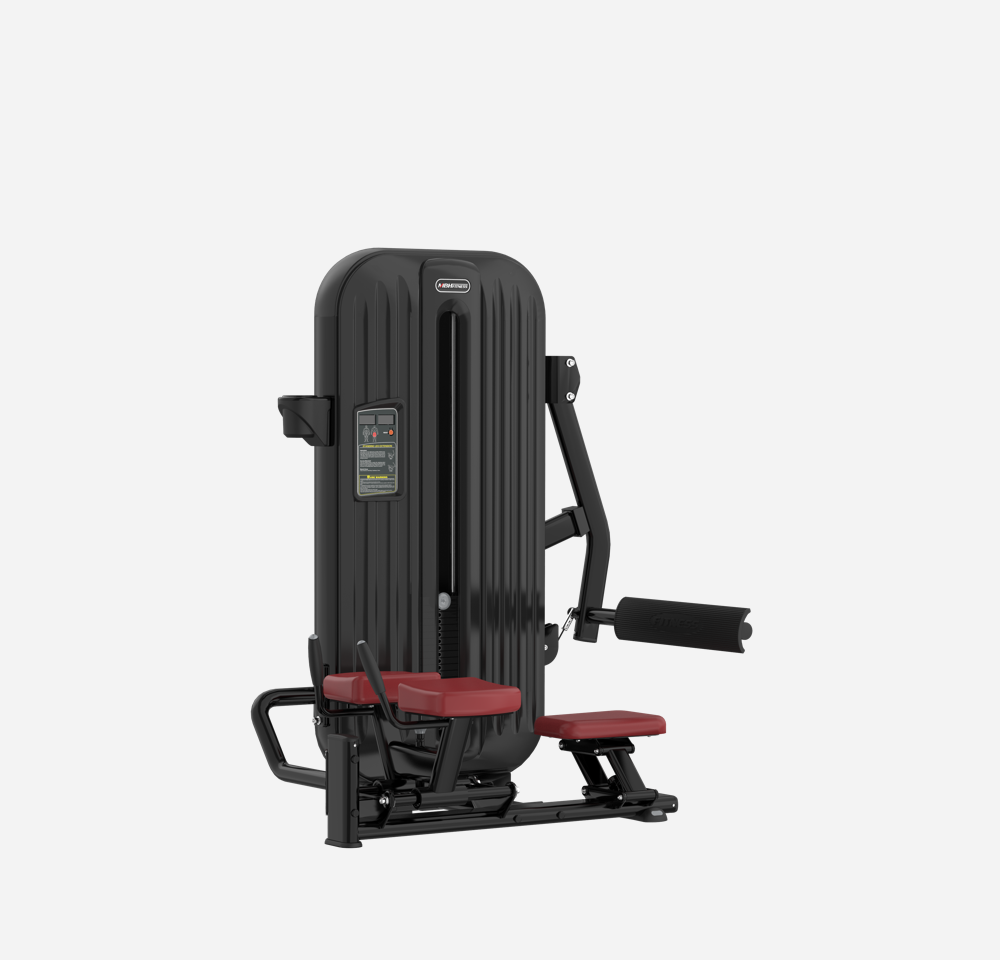 T8-016A Horizontal Leg Extension
 - Core and rotation — the MTMS-011 Rotary Torsoand XMDM-010 Abdominal Crunch cover obliques and abs.
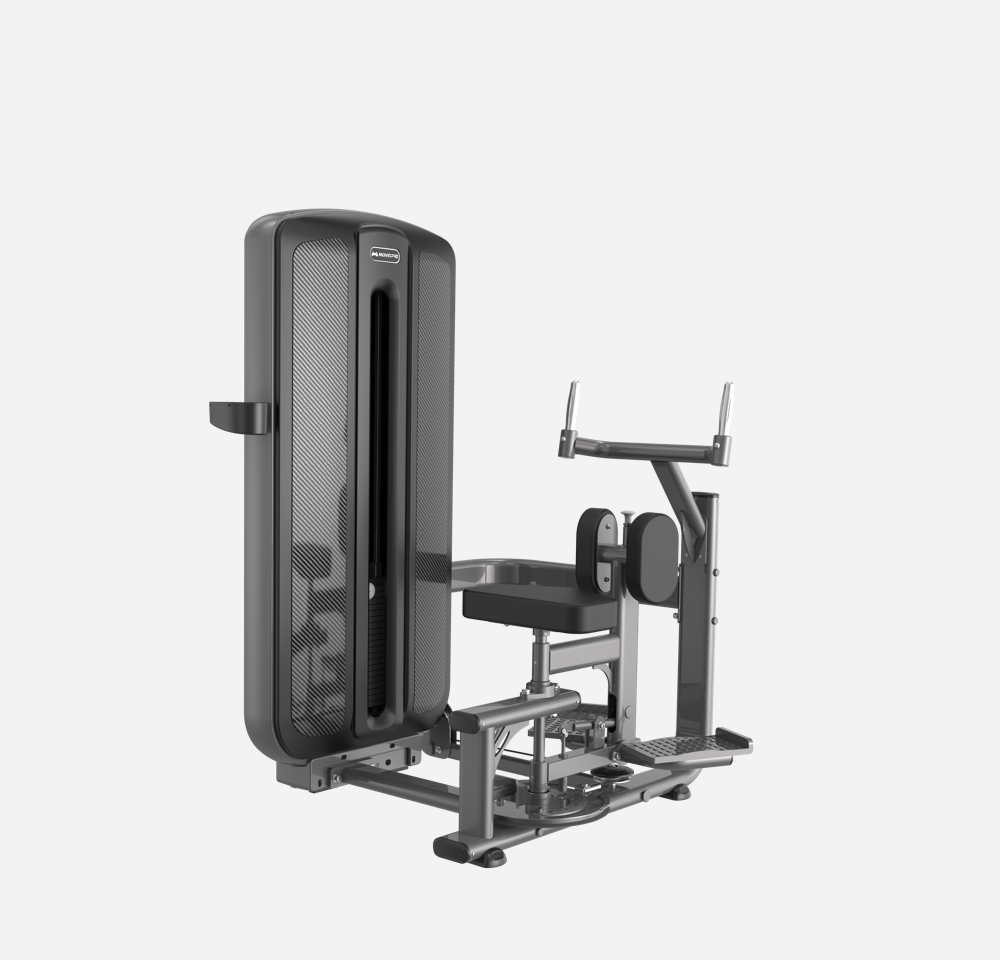 MTMS-011 Rotary Torso
Then add plate-loaded lines like the XAL Series (chest press, leg press, hip thrust, and more) for clients who want free-weight feel. For full facility builds, a multi-station rig such as the XPH-201 — with four squat racks, two Smith machines, eight pull-up stations, and TRX points — closes bigger deals fast.
How much space and capital should be needed?
Less than you think if you avoid stockpiling. Many fitness equipment distributors run a small showroom and order direct from the gym equipment factory per sale. Machines are heavy — the T8-017 Calf Extension alone is 185 kg, and the XPH-201 multi-station unit weighs 1045 kg. Budget for freight and installation crews, not just inventory.
Which suppliers should be approached?
Look for factories with a full catalog, consistent specs, and export experience. MBH Fitness, for example, covers T8, MCL, MEL, XMDM, XVS, and MTMS series, everything from a MEL-013A Horizontal Leg Curl to the METTA5-17 Standing Abductor. Please ask about the minimum order quantities, warranty terms, and whether spare parts ship separately.
What certifications and specs matter most?
Buyers ask two questions: is it safe, and does it fit? Know your specs cold. Quote the 100 kg weight stack on the XMDM-012 Lat Pull Down, the 150 kg max user weight on T8 units, and the steel gauge on plate-loaded gear. Certifications vary by market — EN 957 in Europe, ASTM in the US. Get documentation from your supplier before you promise anything.
How can the customers be found?
Three channels work:
- Direct outreach to gyms under construction or renovating.
- Partnerships with gym designers and general contractors.
- Tender bidding for hotels, schools, and municipalities.
You'll also want floor-plan support. Walking a buyer through a layout using the MEL-012A Seated Horizontal Pulley or MEL-016 Standing Leg Extension builds trust faster than any brochure.
What kills new distributors?
Underestimating after-sales. A MEL-009 Lower Back that breaks in month two and sits unfixed for six weeks ends the relationship. Stock common spares, train a service tech, and set response-time promises you can actually keep.
Start narrow, master your specs, and scale the catalog as your client list grows.
Just as it is mentioned above, a fitness equipment supplier such as MBH Fitness Equipment Factory with range matters which covers selectorized, plate-loaded, and multi-station gear lets you know the quote of an entire gym without juggling five vendors.
